Get Commercial Roof Inspection Service
Commercial roof inspection services help property owners identify issues like leaks, damage, or wear to ensure safety and proper maintenance of roofing projects.
Property owners in the area seeking to maintain the integrity and safety of their commercial buildings often turn to professional roof inspection services. Regular inspections can help identify potential issues early, preventing costly repairs and ensuring compliance with property management standards. Whether planning a renovation, assessing damage, or simply maintaining the building’s condition, understanding the local options for reliable inspection services is an important step in effective property management.
Connecting with experienced local contractors who specialize in commercial roof inspections allows property owners to compare services and find solutions tailored to their specific needs. These professionals bring practical expertise in evaluating roofing systems, helping owners make informed decisions about necessary repairs or upgrades. Continuing to explore available options can support proactive property care and contribute to the long-term value of commercial assets.
- Flat commercial roofs - needed when inspecting for leaks, damage, or wear on large, level surfaces.
- High-rise building roofs - required for comprehensive assessments of difficult-to-access rooftop structures.
- Industrial warehouse roofs - essential for identifying potential issues that could disrupt large-scale operations.
- Retail center roofs - important for routine inspections to maintain safety and prevent costly repairs.
- Office building roofs - advised when assessing the condition of roofing systems to plan maintenance or repairs.
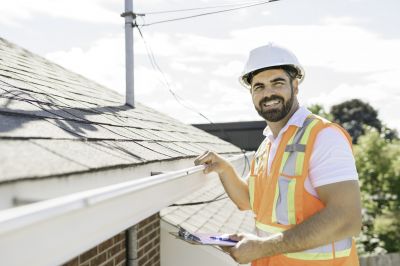
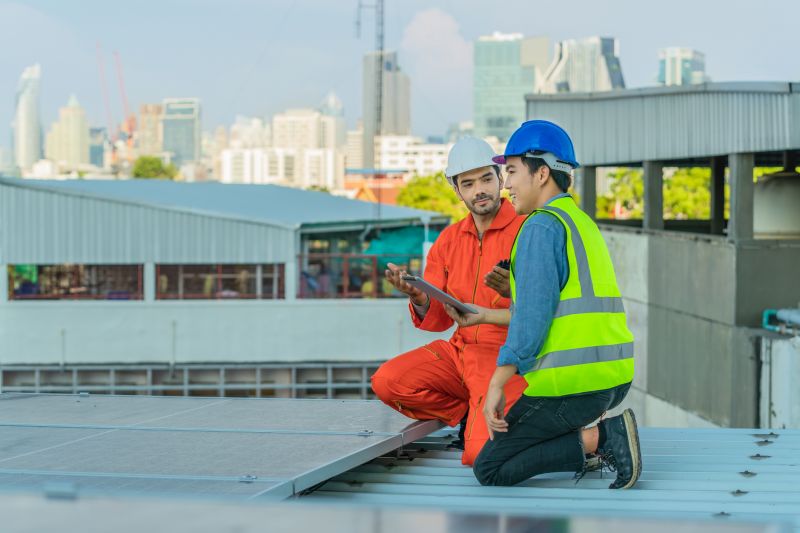
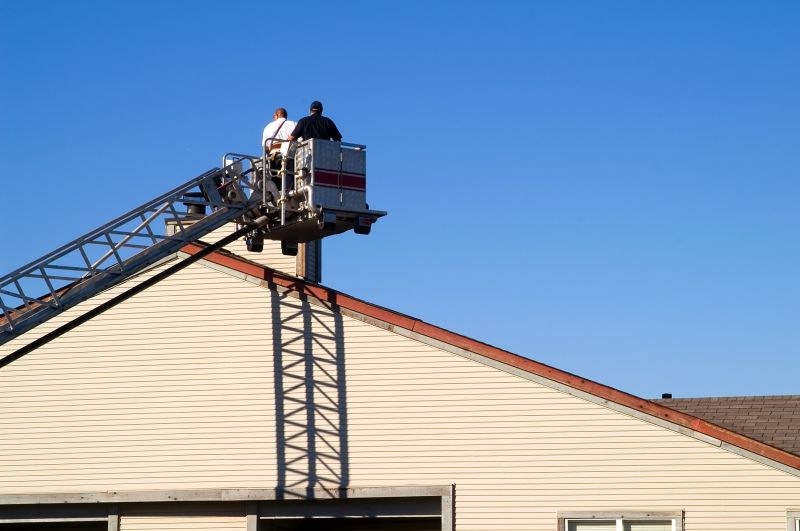
Commercial roof inspection services involve a thorough assessment of a building’s roofing system to identify potential issues before they develop into costly repairs. Skilled service providers examine the roof’s surface, flashing, gutters, and drainage systems to detect signs of damage, wear, or structural concerns. These inspections often include checking for leaks, cracks, loose materials, and areas of ponding water that could compromise the roof’s integrity over time. Regular inspections help property owners maintain the safety and functionality of their commercial roofs, ensuring that small problems are caught early and addressed promptly.
One of the primary benefits of commercial roof inspections is their ability to uncover problems that might not be immediately visible to the untrained eye. For example, hidden leaks or deteriorated membrane layers can lead to water intrusion, mold growth, and damage to the building’s interior. Inspections also help identify issues caused by weather events, such as hail or wind damage, which can weaken roofing materials and reduce their lifespan. By catching these issues early, property owners can plan necessary repairs or maintenance, potentially avoiding costly emergency fixes and extending the roof’s overall lifespan.
These services are typically used for a variety of properties, including office buildings, retail centers, warehouses, industrial facilities, and multi-family residential complexes. Any commercial property with a roof that covers a large area or is exposed to regular environmental stressors can benefit from routine inspections. Property managers and building owners often schedule inspections as part of their preventative maintenance plans or before making insurance claims. Even properties with newer roofs may require periodic assessments to ensure ongoing performance and to confirm that the roofing system remains in good condition.
Homeowners or property owners who notice signs of roof trouble, such as water stains on ceilings, missing shingles, or increased debris in gutters, should consider scheduling a professional inspection. While commercial roof inspections are generally associated with larger properties, similar principles apply to smaller buildings or multi-unit residences. These inspections provide valuable insights into the current state of a roof and help determine if repairs, maintenance, or replacements are needed. Connecting with experienced local contractors can ensure a comprehensive evaluation, helping property owners protect their investments and maintain safe, reliable roofing systems.
The overview below groups typical Commercial Roof Inspection Service projects into broad ranges so you can see how smaller, mid-sized, and larger jobs often compare in your area.
In many markets, a large share of routine jobs stays in the lower and middle ranges, while only a smaller percentage of projects moves into the highest bands when the work is more complex or site conditions are harder than average.
Smaller Repairs - Typically, local pros charge between $250 and $600 for routine roof inspections and minor repairs. Many projects fall within this range, especially for simple fixes or maintenance checks. Larger or more complex repairs may cost more but are less common in this band.
Moderate Projects - Medium-sized inspections and repairs usually range from $600 to $1,500. These projects often involve more detailed assessments or partial repairs and are a common tier for many commercial roof inspections. Fewer projects reach the higher end of this range.
Major Repairs - Larger, more involved repairs can cost between $1,500 and $3,500. These often include extensive patching or addressing multiple problem areas and represent a smaller portion of typical jobs. Many service providers handle these as part of larger maintenance plans.
Full Roof Replacement - Complete roof replacements generally start around $5,000 and can go well beyond $20,000 depending on size and materials. Most projects in this category are larger and less frequent, with many local contractors providing detailed estimates for such extensive work.
Actual totals will depend on details like access to the work area, the scope of the project, and the materials selected, so use these as general starting points rather than exact figures.
Commercial Building Exterior Inspections - local contractors perform detailed assessments of building exteriors, utilizing similar inspection techniques and tools as roof assessments.
Industrial Roof Maintenance - service providers inspect and maintain large industrial roofs, requiring similar planning and safety considerations as commercial roof inspections.
Structural Integrity Assessments - professionals evaluate the overall stability of structures, applying comparable inspection skills and diagnostic tools used in roof evaluations.
Facade and Cladding Inspections - these projects involve examining exterior wall systems, which share inspection processes and safety protocols with roofing assessments.
Leak Detection Services - experts identify and locate leaks in various building systems, employing similar investigative techniques as roof leak inspections.
Waterproofing System Evaluations - local service providers assess existing waterproofing solutions, requiring planning and inspection skills akin to commercial roof evaluations.
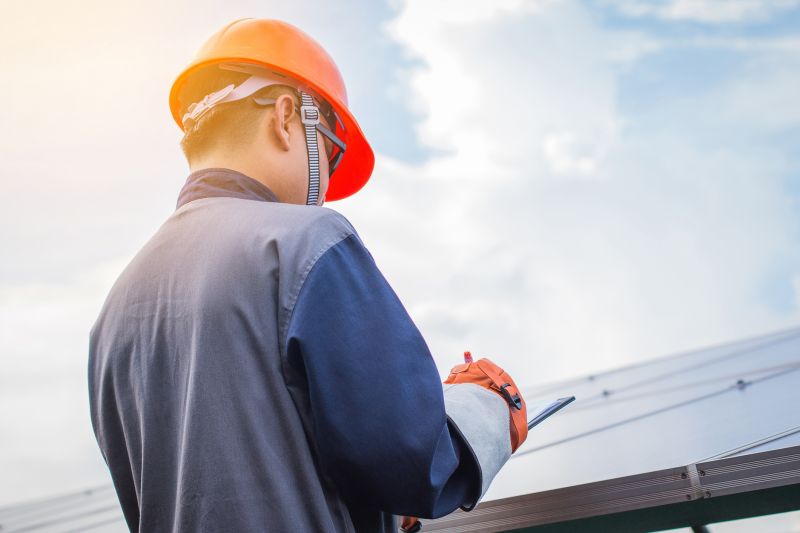
When evaluating service providers for commercial roof inspection services, it’s important to consider their experience with similar projects. A contractor who has handled inspections for buildings comparable in size, design, or industry can better understand the specific challenges and requirements of your property. This familiarity often translates into a more thorough assessment and insights tailored to your roof’s unique features, helping ensure that the inspection covers all relevant aspects and potential issues.
Clear, written expectations are also a key factor in choosing a reliable provider. A reputable contractor should be willing to outline the scope of the inspection, the methods they plan to use, and what the process will entail. Having these details in writing helps avoid misunderstandings and provides a transparent basis for decision-making. It also allows homeowners to compare different service providers more effectively, ensuring that each one’s approach aligns with their needs and expectations.
Reputable references and good communication are essential when selecting local contractors. Asking for references or examples of past work can provide insight into the quality and consistency of their services. Additionally, a provider who communicates clearly and promptly demonstrates professionalism and respect for the client’s concerns. This openness can make the entire inspection process smoother and more informative, giving homeowners confidence that the service provider is attentive and reliable. It’s important to remember that this site introduces homeowners to local options, helping connect them with qualified service providers rather than performing the work directly.
Property owners use Commercial Roof Inspection Service services for practical projects around their homes and businesses. This guide focuses on everyday jobs and straightforward project options.
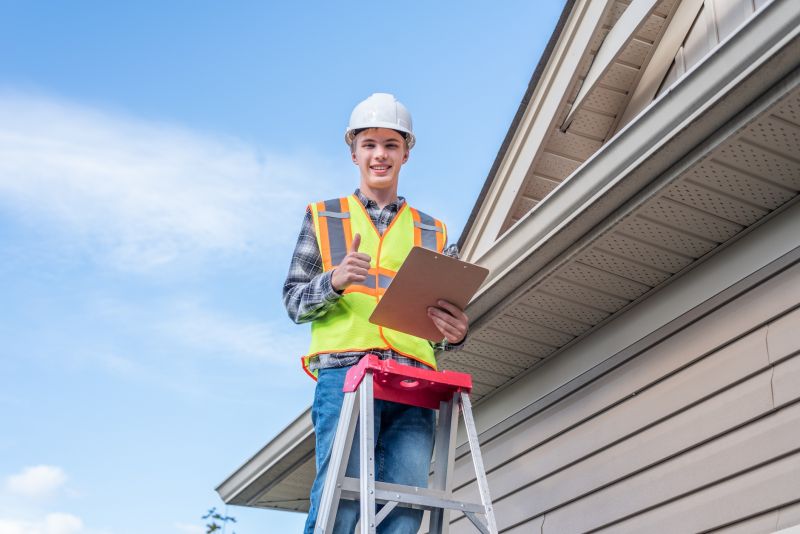
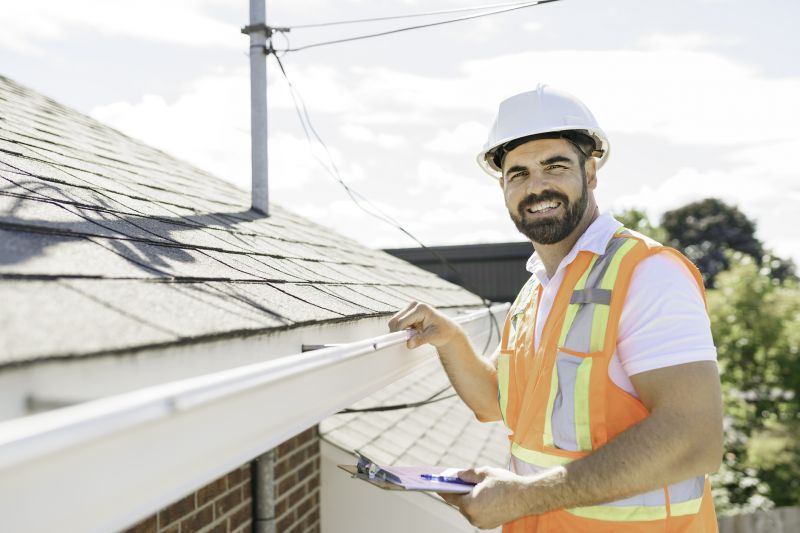
Commercial roof inspections are a common service property owners seek when they notice potential issues or want to ensure their roofs are in good condition. In everyday situations, a business owner might observe leaks, water stains, or signs of wear that prompt a professional assessment. Other times, property managers request inspections as part of routine maintenance or before making insurance claims. Local contractors are equipped to evaluate the roof’s overall health, identify areas needing repairs, and help prevent costly damage caused by unnoticed problems.
Property owners may also look for roof inspection services when preparing for inspections required by leasing agreements or building regulations. Regular inspections can help catch minor issues early, avoiding larger repairs later on. Whether due to storm damage, age, or simply routine checks, local service providers offer the expertise to assess commercial roofs accurately and recommend appropriate next steps. Connecting with experienced contractors ensures that property owners can maintain their buildings’ integrity and safety effectively.
What is involved in a commercial roof inspection? A commercial roof inspection typically includes a thorough assessment of the roof’s surface, drainage systems, flashing, and structural components to identify potential issues and areas needing repair or maintenance.
How often should a commercial roof be inspected? It is recommended to have commercial roofs inspected at least once a year and after severe weather events to ensure early detection of damage or wear.
What are common signs that a commercial roof needs repairs? Signs include visible leaks, pooling water, cracked or missing membrane, damaged flashing, or noticeable wear and tear on the roof surface.
Can a commercial roof inspection help extend the roof’s lifespan? Yes, regular inspections can identify minor issues before they become major problems, potentially helping to prolong the roof’s service life.
How do local contractors perform commercial roof inspections? Local contractors typically perform inspections by visually examining the roof surface, checking for damage or deterioration, and assessing drainage and flashing to determine necessary repairs or maintenance.
Preventive Maintenance Planning - Property owners can schedule regular roof inspections to identify potential issues early and plan maintenance accordingly.
Insurance and Documentation Support - Inspections can help document the roof’s condition for insurance claims or property records.
Renovation and Upgrade Assessments - Homeowners planning upgrades can use inspections to evaluate the current roof’s condition before starting renovation projects.
Damage Assessment After Storms - After severe weather, inspections assist in determining if repairs are needed to prevent further damage.
If you are thinking about Commercial Roof Inspection Service for a property, this guide is meant to help you understand the work, the typical project types, and how different options might fit your plans.
When you are ready, you can use the quote form on this page to share a few details about your project. From there, local pros can review the basics and respond with options that match what you have in mind.