Get Commercial Roof Replacement
Commercial roof replacement services help property owners address leaks, damage, and aging roofs by connecting them with local contractors who handle complete roof removal and installation projects.
If your commercial property is showing signs of aging or damage, considering a roof replacement can be a practical step toward maintaining its value and functionality. Property owners in the area often explore this work to enhance building safety, improve energy efficiency, or prepare for future occupancy needs. Whether upgrading an aging roof or replacing one affected by weather or wear, understanding your options and planning carefully can help ensure the project meets your property’s specific needs.
Finding the right local contractors to handle your commercial roof replacement is an important part of the process. Comparing local service providers allows property owners to evaluate experience, reputation, and scope of services, helping to make informed decisions. Continue reading to discover how to connect with qualified professionals who can support your project from planning through completion.
- Commercial Flat Roof Replacement - needed when a flat roof shows signs of extensive damage or leaks that cannot be repaired effectively.
- Industrial Roof Overhaul - required for aging roofs that have reached the end of their service life and need a complete replacement.
- Business Roof Renovation - appropriate when a commercial property undergoes renovations that require a new roofing system to meet updated standards.
- Warehouse Roof Replacement - necessary if the existing roof has significant wear, structural issues, or persistent water intrusion.
- Retail Store Roof Upgrade - needed when a retail space requires a modern, durable roof to improve energy efficiency and protect inventory.
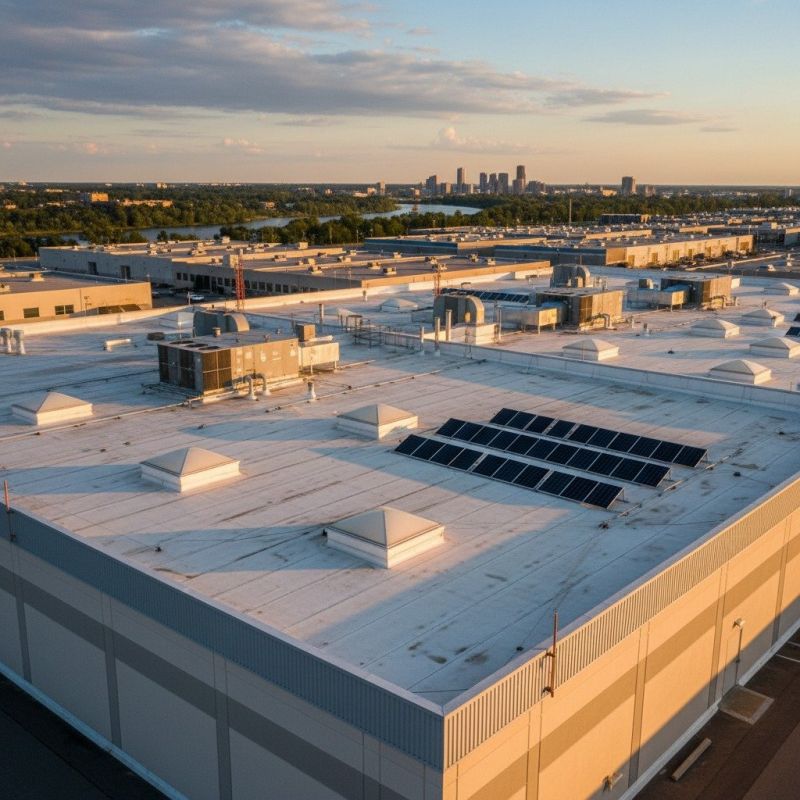
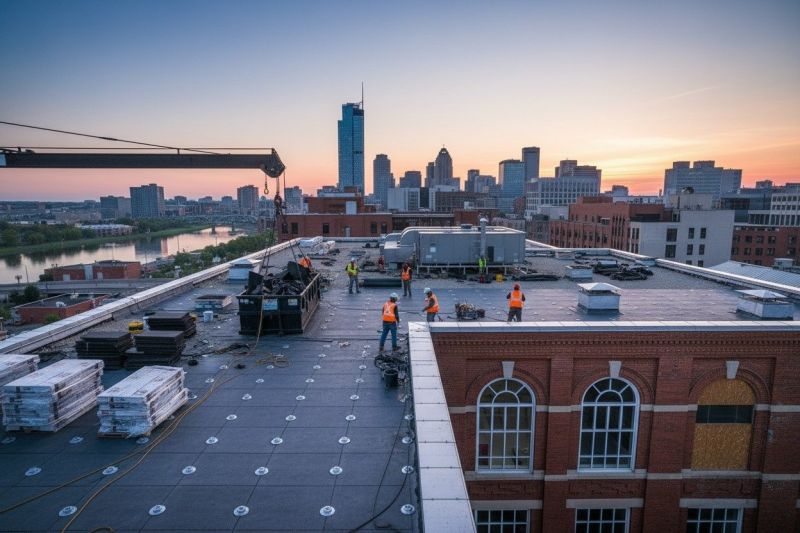
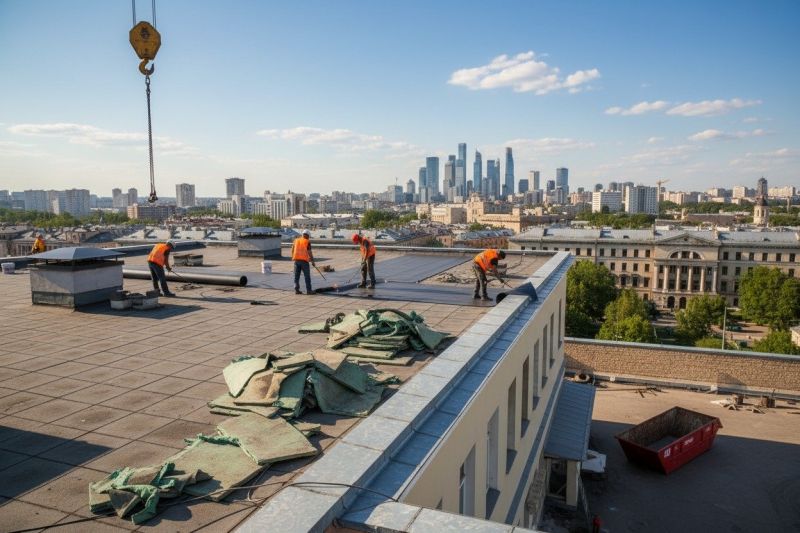
Commercial roof replacement services involve removing an existing roof on a commercial property and installing a new, durable roofing system. This process typically begins with a thorough assessment of the current roof’s condition to determine the extent of damage or wear. Once the old roofing material is carefully taken off, the surface is prepared for the new roof installation, which may include repairs to the underlying structure if needed. The goal is to ensure the new roof provides reliable protection, improved energy efficiency, and a longer lifespan for the building.
These services help address a variety of common problems that can compromise the safety and functionality of a commercial property. Signs that a roof may need replacement include persistent leaks, extensive damage from storms or wear, significant ponding water, or visible deterioration such as cracked or missing roofing material. Replacing a roof can prevent further structural damage, reduce the risk of costly repairs, and improve the overall safety of the building’s occupants and contents.
Commercial roof replacement is often necessary for a range of property types, including office buildings, retail centers, warehouses, manufacturing facilities, and other large commercial spaces. These properties typically have flat or low-slope roofs, which are more prone to issues like ponding water and membrane deterioration over time. Business owners or property managers may seek replacement services when the existing roof has reached the end of its service life or has been compromised by severe weather or other damaging conditions.
Choosing to replace a commercial roof can be a practical solution for maintaining the integrity and value of a property. Local contractors who specialize in commercial roof replacements can evaluate the specific needs of each building, recommend appropriate roofing materials, and ensure the installation is completed correctly. Contacting experienced service providers can help property owners find the right solutions to protect their investments and ensure the continued safety and functionality of their commercial spaces.
The overview below groups typical Commercial Roof Replacement projects into broad ranges so you can see how smaller, mid-sized, and larger jobs often compare in your area.
In many markets, a large share of routine jobs stays in the lower and middle ranges, while only a smaller percentage of projects moves into the highest bands when the work is more complex or site conditions are harder than average.
Smaller Repairs - typical costs for minor roof repairs range from $250-$600, covering issues like small leaks or damaged shingles. Many routine jobs fall within this middle range, with fewer projects reaching the higher end. Local contractors can often handle these efficiently and at predictable costs.
Partial Roof Replacement - replacing a section of a commercial roof usually costs between $5,000 and $15,000, depending on the size and materials used. Larger, more complex partial replacements tend to push into the higher part of this range. Service providers can help determine the best options for your building’s needs.
Full Roof Replacement - complete commercial roof replacements typically cost between $15,000 and $50,000, with factors like roof size and material choice influencing the price. Many projects fall into the middle of this range, while very large or intricate jobs may exceed $50,000. Local pros can provide estimates based on specific project details.
Large or Complex Projects - extensive roof replacements or projects involving specialized materials can reach $50,000 or more, especially for large or high-rise buildings. These projects are less common but require experienced local contractors to ensure proper installation and durability. Typical costs vary widely based on scope and complexity.
Actual totals will depend on details like access to the work area, the scope of the project, and the materials selected, so use these as general starting points rather than exact figures.
Flat Roof Repairs - these projects require similar skills in roofing materials, waterproofing, and planning for durability in commercial settings.
Industrial Roofing Services - involves working with large-scale roofing systems that demand specialized tools and careful project coordination.
Building Waterproofing - shares techniques for sealing and protecting roof structures against water intrusion, essential in commercial roofing.
Roof Insulation Installation - requires understanding of building envelope systems and planning for energy efficiency in commercial roofs.
Commercial Skylight Installation - involves planning and executing roof penetrations while ensuring weatherproofing and structural integrity.
Re-Roofing Projects - includes removing old roofing layers and installing new systems, utilizing similar planning and roofing techniques as replacement services.
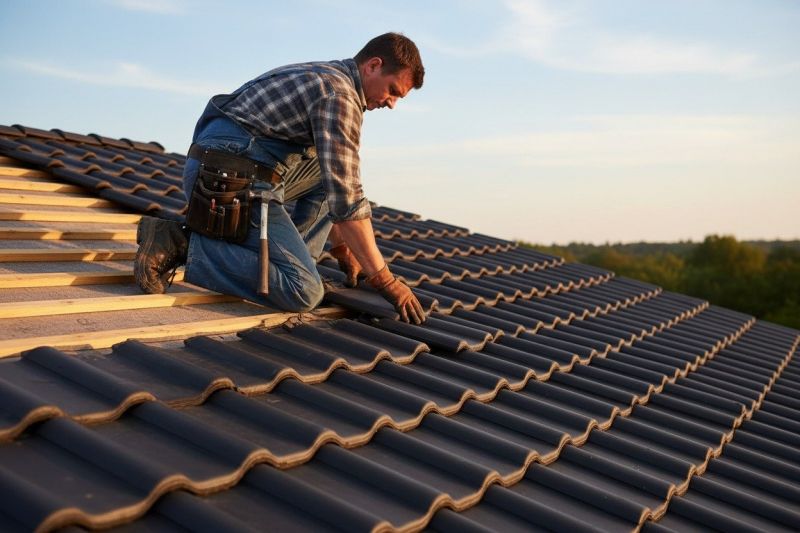
When evaluating potential contractors for commercial roof replacement, it’s important to consider their experience with projects similar in scope and complexity. A service provider with a track record of handling comparable roofing systems or building types can offer insights into the specific challenges and solutions relevant to the job. This experience often translates into a smoother process and a better understanding of what the project requires, reducing the likelihood of surprises or issues down the line.
Clear, written expectations are essential when comparing local contractors. This includes detailed descriptions of the work scope, materials to be used, and any warranties or guarantees offered. Having this information in writing helps ensure that all parties are aligned on the project’s objectives and deliverables, which can prevent misunderstandings or disputes. It also provides a point of reference to evaluate whether a contractor’s proposal aligns with the needs of the project.
Reputable references and effective communication are key indicators of a reliable service provider. Speaking with past clients can provide insights into the contractor’s professionalism, quality of work, and ability to meet deadlines. Good communication throughout the process-whether in response to questions or during project updates-demonstrates a contractor’s commitment to transparency and customer service. When comparing options, these qualities can help identify local contractors who are attentive, dependable, and capable of managing the project from start to finish.
Property owners use Commercial Roof Replacement services for practical projects around their homes and businesses. This guide focuses on everyday jobs and straightforward project options.
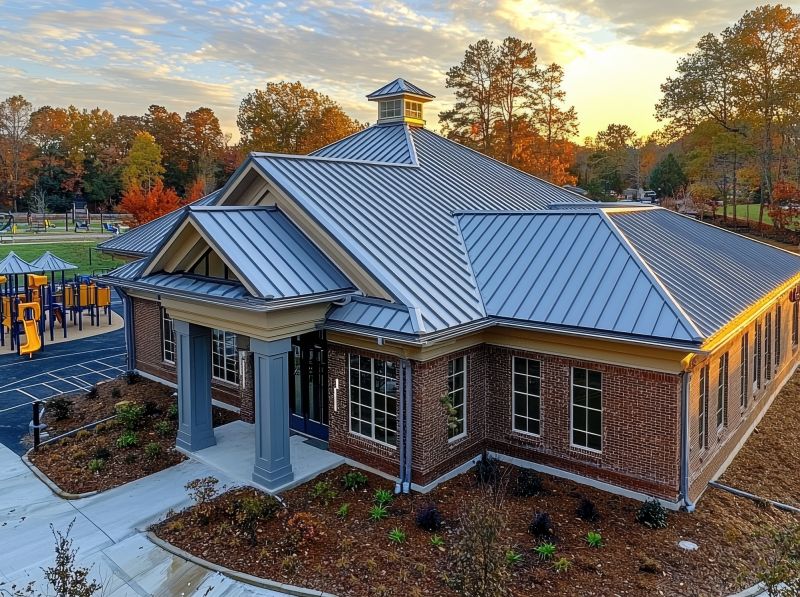
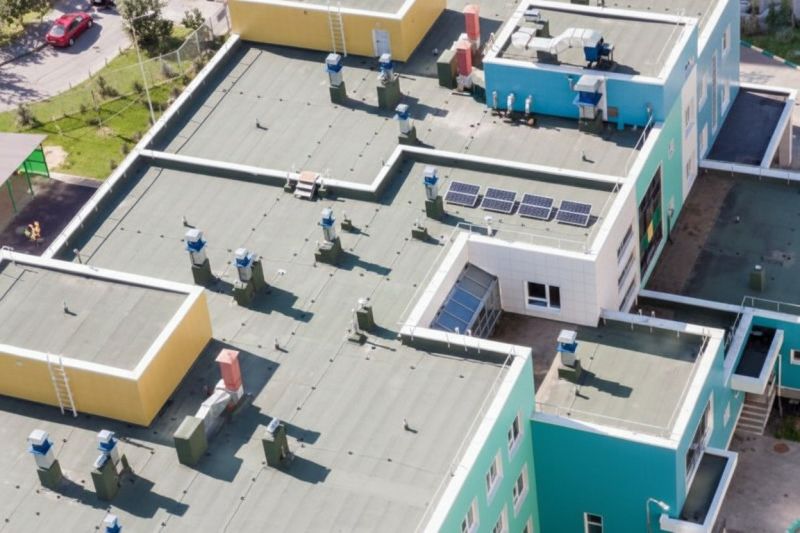
Commercial property owners often seek roof replacement services when their existing roofs show signs of aging, such as leaks, widespread damage, or significant wear and tear. Unexpected weather events or prolonged exposure to harsh conditions can also accelerate the need for a new roof to protect the building’s interior and assets. Additionally, businesses looking to improve energy efficiency or comply with updated building codes may consider roof replacement as part of their property upgrades.
Local contractors specializing in commercial roof replacement are experienced in handling a variety of project situations, from large-scale installations to urgent repairs. Property owners may turn to these service providers when planning renovations, facing structural issues, or aiming to enhance the durability and performance of their roofs. Connecting with trusted local pros can help ensure the work is completed to meet the specific needs of the building and its use.
What are signs that a commercial roof needs replacement? Indicators include persistent leaks, extensive membrane damage, visible sagging, and widespread deterioration that cannot be repaired effectively.
How do I know if my building requires a roof replacement instead of repairs? When multiple areas show significant damage or repairs would be frequent and costly, a full replacement may be recommended by experienced contractors.
What types of commercial roofing materials are available for replacement? Common options include built-up roofing (BUR), single-ply membranes like TPO or EPDM, modified bitumen, and metal roofing, depending on the building's needs.
Can a commercial roof be replaced without disrupting business operations? Many contractors offer flexible scheduling and methods to minimize disruption, but specific arrangements depend on the project scope and building requirements.
What should be considered when choosing a contractor for commercial roof replacement? It’s important to evaluate local contractors’ experience, reputation, and ability to provide quality workmanship suitable for the building’s specific roofing needs.
Commercial Roof Replacement Planning - Property owners can explore options for replacing aging or damaged roofs to ensure long-term protection for their buildings.
Material Selection Guidance - Business owners might consider different roofing materials to enhance durability and meet specific building needs.
Project Consultation - Facility managers can connect with local contractors for expert advice on the scope and design of a roof replacement project.
Maintenance and Inspection Scheduling - Building owners can coordinate with service providers to schedule regular roof assessments and plan for future upgrades.
If you are thinking about Commercial Roof Replacement for a property, this guide is meant to help you understand the work, the typical project types, and how different options might fit your plans.
When you are ready, you can use the quote form on this page to share a few details about your project. From there, local pros can review the basics and respond with options that match what you have in mind.